



Short Story
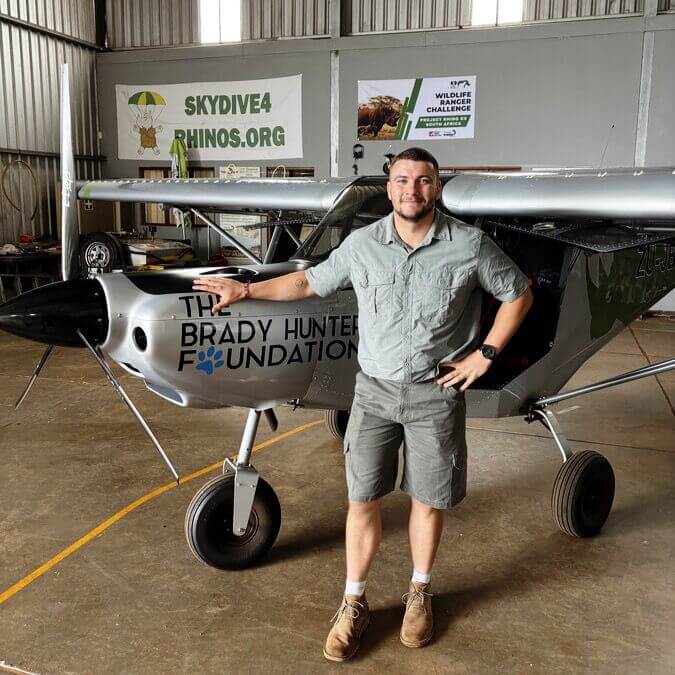
I’m Sean James , driven by my faith, my love for aviation, and a deep passion for preserving our wildlife. I believe the gifts I’ve been given are meant to serve a higher purpose, and I use my love of flying to help protect wildlife and support the people on the ground who dedicate their lives to conservation.
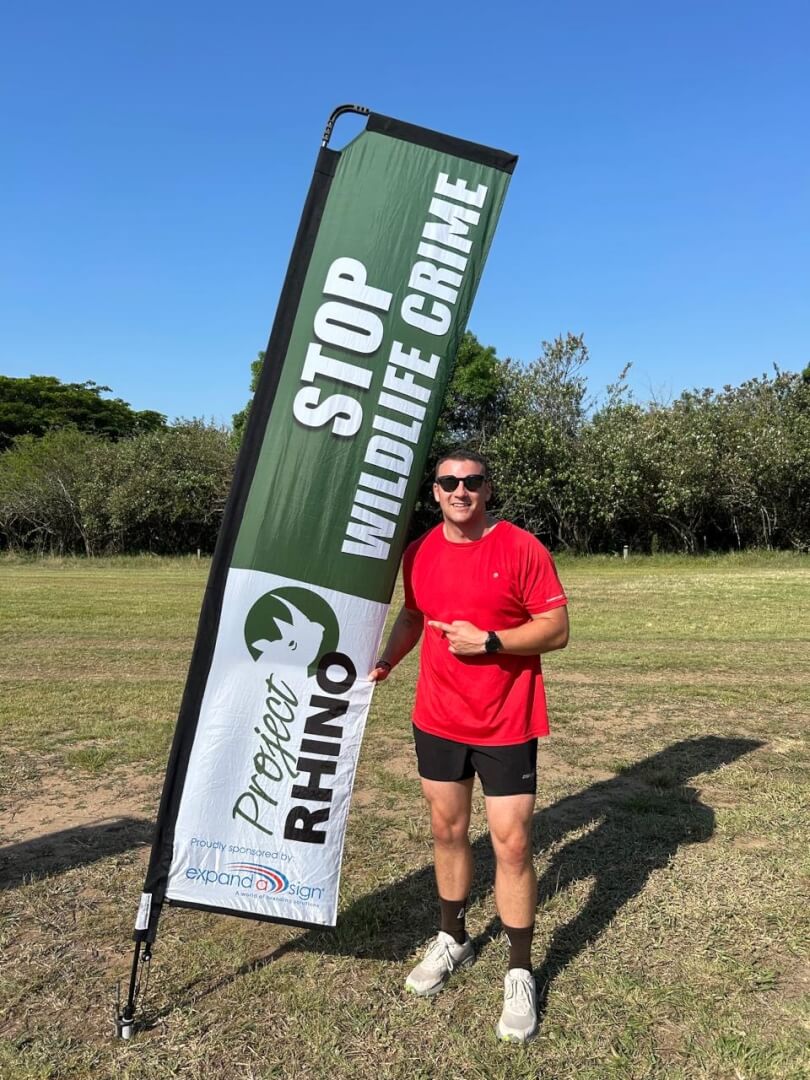
I’m running Run For Rangers, a 2-day, 100km run through Babanango Game Reserve, to stand alongside the men and women who risk their lives every day to protect our natural heritage. While I often fight this battle from the sky, I know the work on the ground is just as intense. Through this run, I want rangers to know they are seen, supported, and not fighting alone.
Running allows me to channel my passion for fitness into real conservation impact. Every kilometre helps raise awareness and vital resources to keep rangers trained, equipped, and effective. I’ve been running on and off for about 10 years, love a challenge, and I’m proud to add Run For Rangers to my growing wall of runs.
Join us in supporting this powerful cause by making a once-off donation.
Run For Lives Sean’s Run For Rangers 2026
Supported so far by 7 people.

Story
Babanango Game Reserve, located in the heart of Zululand, Kwazulu-Natal, is a showcase for one of the most ambitious rewilding projects in Southern Africa in recent years. Set among the breathtaking topography of the upper White Umfolozi River Valley, the reserve occupies a vast wilderness area of over 20,000 hectares that is steeped in Zulu history and layered upon geological features that date back to the beginning of time. The rugged mountains and valleys provide refuge for an extraordinary diversity of birds, plants, insects, reptiles, and mammals, including the elusive aardvark and aardwolf.
Visitors to Babanango Game Reserve can be assured of an unrivalled safari experience due to highly knowledgeable guides and a range of activities to choose from. Significant historical battle sites, such as Isandlwana and Rorke’s Drift, are located close by.
Project Rhino was launched on World Rhino Day, 22 September 2011. It is a rhino-focussed association that brings together a provincial government conservation body, private and community-owned reserves, rhino owners, leading conservation NGOs and anti-poaching security specialists in the common aim of fighting wildlife crime.
Together with South Africa’s Kruger National Park, Project Rhino member reserves are collectively responsible for the protection of the world’s largest rhino population, as well as the most genetically diverse white rhino population. Devastatingly, our rhino have become a target for highly organised poaching rings and crime syndicates, fuelled largely by an ongoing and unfounded demand by traditional Eastern medicine. Rhino numbers have plummeted – more than 10,000 have been lost in RSA in the last decade – whilst the costs of keeping the remaining populations safe have increased astronomically.
Project Rhino initiatives range from urgent anti-poaching and wildlife crime interventions to a long-term outlook focused on developing empowered communities who own, manage and protect the Conservation Economy.
Project Rhino’s Four Pillars of Support
The Project Rhino platform ensures that efforts to protect white and black rhino populations are coherent and avoids duplication of work. It collaborates with anti-poaching and wildlife economy initiatives throughout southern Africa to share strategies and best practices. Project Rhino follows a four-pronged approach:
Co-ordination Unit: The team that keeps the engines running: 1) mobilising stakeholders; 2) gathering and synthesising anti-poaching intelligence; 3) prioritising needs; and 4) sourcing funds and donations. Without effective coordination, we would see a disjointed and dysfunctional response to wildlife crime – resulting in higher poaching numbers.
Ranger and Technical Support: Direct training equipment support to rangers, anti-poaching technologies, dehorning interventions, equipping, and supporting the K9 and Equine units, and the ZAP-Wing aerial surveillance unit, including the lease and support costs of the airfield at Hluhluwe, northern KZN.
Wildlife Youth & Leadership Development (WYLD): Interaction and education of youth and wildlife communities through Rhino (Wild) Art, Youth Camps, Leadership Forums, World Youth Wildlife Summit and others. Helping to build our current and future conservation champions through supportive platforms.
Conservation Economy and Enterprise: Supporting livelihoods by building a network of responsible use landscapes that provide opportunities for local job creation and small business development, including permaculture food gardens.


